Area Real Estate News & Market Trends

You’ll find our blog to be a wealth of information, covering everything from local market statistics and home values to community happenings. That’s because we care about the community and want to help you find your place in it. Please reach out if you have any questions at all. We’d love to talk with you!

June 30, 2026

Hidden Costs of Homeownership in Florida (2026 Data)


Florida Real Estate Data · 2026

The Hidden Costs of Homeownership in Florida: Statistics You Need to Know in 2026

The mortgage payment is only the beginning. In Florida, the costs that do not show up on a Zillow listing, property taxes that reset at sale, the highest homeowners insurance premiums in the country, flood coverage, HOA and CDD assessments, and ongoing maintenance, can add well over $20,000 a year to the true price of owning a home. This page collects the most-cited 2024 to 2026 statistics on those hidden costs, with a Florida focus, sourced from government agencies, analyst firms, and primary surveys.

Key Hidden-Cost Statistics

The numbers buyers and reporters cite most often, in one place.

  1. The average annual cost of owning and maintaining a single-family home in the U.S. is $21,400 a year, including property taxes, insurance, utilities, internet/cable, and maintenance. (Source: Bankrate Hidden Costs of Homeownership Study, 2025)
  2. Florida is the most expensive state for home insurance, with a typical annual premium of $8,292 in 2025, more than double the national average, projected to rise to $8,458 by the end of 2026. (Source: Insurify, 2025)
  3. Zillow and Thumbtack put the hidden costs of owning a home at $15,979 per year nationwide, more than $1,300 per month beyond the mortgage. (Source: Zillow Research / Thumbtack, 2024)
  4. When a homesteaded Florida home changes ownership, it loses the Save Our Homes benefit and is reassessed at full market value the following January 1, resetting the new owner's assessed value to current market value. (Source: Florida Department of Revenue, Form PT-112, 2024)
  5. A typical Central Florida CDD assessment of $1,800 per year (about $150 per month) appears on the property tax bill as a non-ad valorem assessment, separate from regular property taxes. (Source: Millan Realty, Orange County CDD, 2026)
  6. Florida leads the nation with about 45% of homes in communities managed by HOAs. (Source: MagicDoor, 2026)
  7. Bankrate recommends budgeting up to 4 percent of a home's value annually for upkeep, with average maintenance alone at $8,808 a year. (Source: Bankrate Hidden Costs of Homeownership Study, 2025)
  8. Florida's average residential electricity bill was $156.09 per month in 2024, about $14 a month higher than the national average. (Source: U.S. Energy Information Administration, 2024)

Property Taxes in Florida

Florida's headline rate is low, but the assessment reset at sale and non-ad valorem charges are where new owners get surprised.

When a homestead protected by the Save Our Homes cap changes ownership, it loses the benefit and is reassessed at just (market) value the following January 1, so the new owner's assessed value resets to current market value. Florida Department of Revenue, Form PT-112, 2024
  1. Florida's effective property tax rate is 0.75%, lower than the national effective rate of 0.89%, and the median Florida homeowner pays $2,993 annually in property taxes. (Source: SmartAsset using U.S. Census Bureau ACS data, 2024)
  2. WalletHub's 2026 analysis finds Florida's effective real-estate tax rate is 0.76%, with annual taxes of $2,530 on a home priced at the state median value of $359,000. (Source: WalletHub via CPA Practice Advisor, 2026)
  3. ATTOM's tax-year 2024 analysis reports Florida's effective property tax rate is 0.9% with an average home value of $388,250. (Source: ATTOM Data Solutions via Bankrate, 2024)
  4. Nationwide, the average single-family home valued at $494,231 generated $4,427 in property taxes in 2025, a 3% increase over the prior year, at a 0.90% effective rate. (Source: ATTOM Data Solutions, 2025)
  5. Under Save Our Homes (s. 193.155(1), F.S.), the annual increase in assessed value of a homestead cannot exceed the lower of 3 percent or the change in the Consumer Price Index. (Source: Florida Department of Revenue, 2025)
  6. Florida's portability provision allows homeowners to transfer up to $500,000 of accumulated Save Our Homes benefit to a new qualifying Florida homestead. (Source: Palm Beach County Property Appraiser, 2026)
  7. Florida's documentary stamp tax on deeds is 70 cents per $100 of consideration in all counties except Miami-Dade (60 cents per $100 plus a 45-cent surtax, the surtax not applying to a single-family dwelling). (Source: Florida Department of Revenue, 2026)
  8. Florida's documentary stamp tax on promissory notes and mortgages is 35 cents per $100 of the obligation, with tax on notes capped at $2,450 and no cap on mortgages. (Source: Florida Department of Revenue, 2026)
  9. Florida's nonrecurring intangible tax rate is 2 mills (0.2 percent), calculated by multiplying the obligation secured by Florida real property by 0.002. (Source: Florida Department of Revenue, 2026)

Homeowners Insurance in Florida

The single biggest hidden cost in Florida, and the one rising fastest.

Florida is the most expensive state for home insurance, with a typical annual premium of $8,292 in 2025, more than double the national average, projected to rise to $8,458 by the end of 2026. Insurify, 2025
  1. The average annual cost of U.S. home insurance rose 12% in 2025 to $2,948 and is projected to climb to $3,057 by the end of 2026. (Source: Insurify, 2025)
  2. Florida homeowners spend an average of $5,735 per year on home insurance, equal to 7.82% of the state's median annual household income. (Source: Bankrate, True Cost of Home Insurance, 2025)
  3. The national average annual home insurance premium was $2,470 as of mid-2025, or 3.18% of median national household income. (Source: Bankrate, True Cost of Home Insurance, 2025)
  4. Florida home insurance costs decreased an average of $579 (a 9% drop) from 2023 to 2025 following legal-system-abuse reforms. (Source: Bankrate via Axios, 2025)
  5. The cost of homeowners coverage in Florida grew 16% between 2021 and 2022 alone and was up 45% between 2017 and 2022. (Source: Florida Policy Project, 2024)
  6. In 2021 Florida households devoted 4.07% of their income to homeowners insurance, compared with a U.S. average of 1.99%. (Source: Insurance Research Council via Triple-I, 2021)
  7. Florida accounted for more than 72% of the nation's homeowners claim-related litigation in 2023 despite representing only about 10% of U.S. homeowners policies. (Source: Insurance Information Institute, 2023)
  8. Avatar Property & Casualty Insurance was ordered into receivership for liquidation by a Florida court on March 14, 2022, one of a cluster of Florida insurer insolvencies that year. (Source: Florida Department of Financial Services, 2022)
  9. Citizens Property Insurance's policy count peaked at 1.42 million policies in October 2023. (Source: Citizens Property Insurance, 2023)
  10. Citizens' policy count fell below 1 million for the first time in more than two years as of November 29, 2024, standing at 987,650. (Source: Citizens Property Insurance, 2024)

Five-Year Increase in Homeowners Insurance Premiums, Florida Metros

Source: Zillow Research / Thumbtack, 2024

Flood Insurance in Florida

Often required, frequently skipped in the budget, and priced by flood zone.

  1. Florida's average NFIP flood insurance price was $958 per year (about $80 per month) in 2022, slightly above the U.S. average NFIP policy cost of $939 per year. (Source: Policygenius citing NFIP, 2022)
  2. Using 2023 FEMA data, the average cost of NFIP flood insurance nationwide is $888 per year, with high-risk zones A and V averaging $1,607 and moderate-to-low-risk zones (B, C, X) averaging $662. (Source: Policygenius citing FEMA, 2023)
  3. The average cost of flood insurance in Florida is $964 per year. (Source: Policygenius, 2024)
  4. The average cost of federal NFIP flood insurance is $976 per year nationwide, with $1,114 in high-risk zones beginning with A or V and $745 in low- or moderate-risk zones. (Source: NerdWallet, 2026)
  5. Under FEMA's Risk Rating 2.0, the national analysis projected 23% of policyholders would see immediate premium decreases, 66% increases of $0 to $10 per month, 7% increases of $10 to $20 per month, and 4% increases of $20 or more per month. (Source: Association of State Floodplain Managers citing FEMA, 2021)
NFIP Flood Insurance Avg Annual Cost
National average $888 to $976
Florida average $958 to $964
High-risk zones (A / V) $1,114 to $1,607
Low / moderate-risk zones (B / C / X) $662 to $745

HOA and CDD Fees in Florida

Florida has more HOA-governed homes than any state, and new-construction communities often layer a CDD assessment on top.

  1. Florida leads the nation with about 45% of homes in communities managed by HOAs, followed by Colorado at 38.6% and California at 36.8%. (Source: MagicDoor, 2026)
  2. 44.3% of Florida households pay HOA or condo fees, and Florida's median monthly condo/HOA fee in 2024 was $230 per month. (Source: iPropertyManagement, 2024)
  3. The national median monthly condo/HOA fee was $135 in 2024, with about 21.6 million of the nation's 86.6 million owner-occupied households paying a condo or HOA fee. (Source: U.S. Census Bureau, 2024)
  4. Orlando homeowners pay an average of about $300 per month in HOA dues, with condominiums averaging roughly $490 per month, while Miami's overall average exceeds $600 per month, the highest in Florida. (Source: Florida Realty Marketplace, 2026)
  5. A typical Central Florida CDD assessment of $1,800 per year (about $150 per month) appears on the Orange County property tax bill as a non-ad valorem assessment separate from ad valorem property taxes. (Source: Millan Realty, 2026)
  6. A Community Development District appears on a property owner's TRIM Notice and Property Tax Bill as a non-ad valorem assessment. (Source: Miami-Dade County Property Appraiser, 2024)
  7. CDDs are special-purpose units of local government subject to Florida's Special District Accountability Program under Florida Statutes Section 189.064. (Source: Florida Statutes s. 189.064, 2025)
Avg Monthly HOA / Condo Fee Amount
National median (2024) $135
Florida median (2024) $230
Orlando HOA (avg) about $300
Orlando condo (avg) about $490
Miami (avg, highest in FL) $600+

Closing Costs in Florida

One-time, but easy to underestimate, and Florida's promulgated title rates and survey requirement add to the total.

  1. Florida title insurance rates are established by Rule 69O-186.003 of the Florida Administrative Code, which sets promulgated rates for owner and leaseholder policies. (Source: Florida Department of Financial Services, 2025)
  2. National average closing costs for a single-family property were $6,087 including taxes and $3,470 excluding taxes, with land-survey fees specifically included for Florida and Texas single-family properties. (Source: ClosingCorp / CoreLogic, 2020)
  3. States with the highest average closing costs including taxes were the District of Columbia ($29,329), Delaware ($17,727), and New York ($13,261); the lowest were Missouri ($1,571) and Indiana ($2,100). (Source: ClosingCorp / CoreLogic, 2020)

Maintenance and Repairs

The recurring cost owners most often underestimate, and Florida's roofs and AC systems make it worse.

Bankrate's 2025 Hidden Costs of Homeownership Study found home maintenance alone averages $8,808 a year, calculated as 2% of each state's median single-family home price adjusted for inflation. Bankrate Hidden Costs of Homeownership Study, 2025
  1. Bankrate advises budgeting up to 4 percent of a home's value annually for upkeep: 1 percent for routine maintenance plus 1 to 3 percent for repairs; for a $250,000 home that is up to $10,000 total. (Source: Bankrate, 2025)
  2. The average annual cost for roof repair or maintenance is $1,471, up nearly 30 percent from the prior year. (Source: Bankrate, 2025)
  3. The average annual cost to maintain a single-family home rose about 8% year-over-year, from $6,155 in Q4 2022 to $6,663 in Q4 2023, a new high since tracking began in 2020. (Source: Thumbtack, 2023)
  4. Homeowners spent an average of $12,050 on home projects in 2024, down from $13,667 in 2023. (Source: Angi 2024 State of Home Spending Report, 2024)
  5. Most homeowners spend between $5,900 and $13,368 for a full roof replacement, with a national average of $9,602 (about $4 to $11 per square foot). (Source: HomeAdvisor, 2025)
  6. Under Florida Statutes 553.844(5), if a roof built to the 2007 Florida Building Code or later has 25% or more repaired or replaced, only the affected portion must comply with current code, reducing the need for full roof replacement. (Source: Envista Forensics, 2024)

Utilities and Misc Costs

Florida's cooling load drives electricity higher than the national average, though water tends to run lower.

  1. Florida's average residential electricity bill was $156.09 per month in 2024, with average consumption of 1,104 kWh and a price of 14.14 cents per kWh. (Source: U.S. Energy Information Administration, 2024)
  2. The U.S. national average residential electricity bill was $142.26 per month in 2024, meaning Florida's average bill ran about $14 a month higher. (Source: U.S. Energy Information Administration, 2024)
  3. A new central AC system in Florida typically costs $4,000 to $8,000, with ductless mini-splits $3,000 to $7,000 per zone and heat pumps $4,500 to $8,500. (Source: Florida PACE Funding Agency, 2025)
  4. Florida's average monthly residential water bill is $37, below the U.S. family-of-four average of $78 per month. (Source: LawnStarter, 2026)

Total Cost of Ownership

Add it all up and the gap between the mortgage and the true cost of ownership is wide, and wider in Florida.

The average annual cost of owning and maintaining a single-family home in the U.S. is $21,400 a year, including property taxes, insurance, utilities, internet/cable, and maintenance. Bankrate Hidden Costs of Homeownership Study, 2025
  1. Bankrate's hidden-cost breakdown lists utilities/energy at $4,494 per year, property taxes at $4,316, homeowners insurance at $2,267, and internet/cable at $1,515 per year. (Source: Bankrate Hidden Costs of Homeownership Study, 2025)
  2. Zillow and Thumbtack find the hidden costs of owning a home total $15,979 per year nationwide, comprising $10,946 on maintenance, $2,003 on insurance, and $3,030 on property taxes. (Source: Zillow Research / Thumbtack, 2024)
  3. Miami homeowners now pay an average of $4,607 annually for homeowners insurance, a 72 percent increase in five years, with premiums also up 72 percent in Jacksonville, 69 percent in Tampa, and 68 percent in Orlando. (Source: Zillow Research / Thumbtack, 2024)
  4. Nationwide average homeowners insurance premiums have increased 48 percent since early 2020 and now total just over $2,000 per year. (Source: Zillow Research / Thumbtack, 2024)

Where the $21,400 Goes: Annual Hidden Costs of a U.S. Single-Family Home

Source: Bankrate Hidden Costs of Homeownership Study, 2025

Frequently Asked Questions

Why is homeowners insurance so expensive in Florida?

Florida is the most expensive state for home insurance, with a typical 2025 premium of about $8,292 per year per Insurify, more than double the national average. Drivers include hurricane and windstorm exposure plus litigation: Triple-I reports Florida accounted for more than 72% of the nation's homeowners claim-related lawsuits in 2023 despite holding only about 10% of U.S. policies. Recent legal reforms have begun easing the market, with Bankrate noting a roughly 9% ($579) decline in Florida premiums from 2023 to 2025.

What is the Florida "tax reset" and why does my property tax jump after I buy?

Florida's Save Our Homes cap limits annual assessed-value increases on a homesteaded property to the lower of 3% or CPI (Florida Dept. of Revenue). But when the home sells, that benefit is removed: per DOR Form PT-112, the property is reassessed at full market value the following January 1, so the new owner's assessed value resets to current market value, often producing a sharp tax increase versus what the prior owner paid.

What are CDD fees and how much do they add in Central Florida?

A Community Development District (CDD) is a special-purpose local government (Florida Statutes s. 189.064) that finances infrastructure in many new-construction communities. The assessment appears on your property tax bill as a non-ad valorem charge separate from regular property taxes. A typical Central Florida CDD assessment runs about $1,800 per year (roughly $150 per month), on top of any HOA dues.

How much should I budget for home maintenance in Florida?

Bankrate recommends budgeting up to 4% of a home's value annually (1% routine plus 1 to 3% repairs) and pegs average maintenance at $8,808 a year in its 2025 Hidden Costs study; Thumbtack measured single-family maintenance at $6,663 in Q4 2023. Florida-specific factors like roof and AC wear add up: HomeAdvisor puts a full roof replacement at a $9,602 national average, and a new central AC in Florida runs $4,000 to $8,000 (Florida PACE).

What do the hidden costs of owning a Florida home actually total beyond the mortgage?

Nationally, Bankrate's 2025 study pegs the average hidden and ongoing cost of owning a single-family home at $21,400 a year (property taxes, insurance, utilities, internet, maintenance), while Zillow and Thumbtack estimate $15,979 a year, over $1,300 a month, on top of the mortgage. Florida's insurance burden makes the local figure heavier: Zillow found Orlando insurance premiums up 68% in five years and Miami's at $4,607 a year.

What property-tax savings can I keep when I move within Florida?

Florida's portability provision lets you transfer up to $500,000 of accumulated Save Our Homes benefit from a prior Florida homestead to a new qualifying Florida homestead (county property appraisers). This can substantially soften the tax reset on your next home, but it must be claimed and applies only to homesteaded Florida-to-Florida moves.

Sources

Every stat above is sourced from one of the following organizations or publications:

  1. U.S. Census Bureau
  2. U.S. Energy Information Administration
  3. FEMA / NFIP
  4. Florida Department of Revenue
  5. Florida Department of Financial Services
  6. Florida Statutes
  7. Citizens Property Insurance
  8. Insurance Information Institute (Triple-I)
  9. Insurance Research Council
  10. Florida Policy Project
  11. Insurify
  12. Bankrate
  13. ATTOM Data Solutions
  14. SmartAsset
  15. WalletHub
  16. Zillow Research
  17. Thumbtack
  18. Angi
  19. HomeAdvisor
  20. Policygenius
  21. NerdWallet
  22. Association of State Floodplain Managers
  23. Palm Beach County Property Appraiser
  24. Miami-Dade County Property Appraiser
  25. Florida PACE Funding Agency
  26. Envista Forensics
  27. LawnStarter
  28. MagicDoor
  29. iPropertyManagement
  30. Florida Realty Marketplace
  31. Millan Realty
Posted in Topic Of Interest
June 28, 2026

Central Florida Price Reductions: 1,328 Homes This Week (June 2026)

By Brenden Rendo, Realtor · Updated June 28, 2026

There are weeks when the four-county numbers barely move, and there are weeks when the aggregate hides a real shift underneath. This is the second kind. Across Orange, Seminole, Volusia, and Lake counties, 1,328 homes are carrying an active price reduction this week — down 48 from last week's 1,376 — but Lake County alone accounts for more than that entire swing, shedding 69 listings. When listing counts fall that fast, it is not seasonality. It is deals closing. Here is what the data says, sourced directly from Stellar MLS and pulled June 28, 2026.

1,328
Total Price Reductions This Week
Across Orange, Seminole, Volusia, and Lake counties (June 28, 2026)
3.29%
Average Reduction Off List
Counties cluster from 3.03% (Lake) to 3.61% (Orange)
47.74%
Listings Past 60 Days on Market
634 of 1,328 — the buyer-leverage tier
Orange
Volume Leader This Week
579 active reductions, up 35 week over week
TLDR:
  • 1,328 active price reductions this week across four Central Florida counties, down 48 from 1,376.
  • 47.74% — 634 listings — have sat past 60 days on market, the tier where sellers negotiate concessions.
  • Lake County shed 69 listings, the steepest weekly drop — a sign correctly priced homes are closing.
  • Orange County added 35, the biggest volume gain; Volusia leads on leverage at 53.60% stale.
  • Average reduction across all four counties: 3.29% off list.

1. This Week's Four-County Snapshot

Every week I pull fresh price-reduction data from the Stellar MLS across the four counties our team covers. Here is where things stand as of June 28, 2026. Each county links to its live, continuously updated list.

Orange County

579 price reductions (+35 from last week)
Average reduction: 3.61%
45.90% past 60 days on market

Browse Orange County price reductions

Seminole County

191 price reductions (+1 from last week)
Average reduction: 3.10%
41.90% past 60 days on market

Browse Seminole County price reductions

Volusia County

263 price reductions (-15 from last week)
Average reduction: 3.42%
53.60% past 60 days on market

Browse Volusia County price reductions

Lake County

295 price reductions (-69 from last week)
Average reduction: 3.03%
49.80% past 60 days on market

Browse Lake County price reductions

The single number I watch hardest is the stale share. Across all four counties, 47.74% of price-reduced listings have been on the market 60 days or longer. That is the figure that matters most for buyers — it signals sellers who are ready to negotiate on more than just price. For broader context on where the metro sits, our Central Florida housing market hub tracks the longer-run trend.

2. Week Over Week: Lake Absorbs, Orange Builds

The aggregate dipped 48 listings, but the movement underneath is the real story:

  • Lake County dropped 69 reductions (364 to 295) — the steepest single-county move in the report. Clermont still holds the deepest single-city pool at 93 reduced listings, but the broader county is thinning fast in Leesburg and Groveland.
  • Orange County added 35 (544 to 579) — the largest volume gain. Orlando proper carries 382 of those on its own, more than any city across the four-county footprint.
  • Volusia County eased 15 listings (278 to 263) while keeping the deepest stale tier at 53.60%. Daytona Beach leads the county in volume, depth, and days on market all at once.
  • Seminole County held essentially flat (190 to 191) and stays the tightest market, with only 41.90% of inventory past 60 days.

These shifts reflect real buyer and seller activity, not seasonal estimates. When listing counts drop, deals are closing. When they rise, new motivated sellers are entering the market.

★ Pro Move: When a county's reduced-listing count falls sharply in a single week, the leverage that sat untouched for a month is being picked off first. If you have been watching a specific Lake County submarket, that is the signal to underwrite it now rather than wait for a deeper cut that may not come.

3. What This Means for Buyers

Leverage is real right now, and it is structural rather than seasonal. With 634 listings across four counties past the 60-day mark at a 3.29% average cut, buyers are not competing against the frenzy that defined 2021 and 2022. The reduction itself is the headline; the closing cost credits, repair credits, and rate buydowns that open up past 60 days are where the real money moves.

Financing framing matters here too. With Freddie Mac's Primary Mortgage Market Survey still the cleanest weekly read on the 30-year rate, a well-structured offer on a price-reduced listing — one that asks the seller to buy down the rate rather than only cut the price — can lower your monthly payment more than the headline reduction does. If you are pre-approved, this is the environment where that math works.

4. What This Means for Sellers

Price is a positioning decision, not a concession. The sellers closing right now are the ones who adjusted early and strategically. A price reduction does not signal desperation — it re-enters your listing into buyer search alerts, earns fresh algorithmic exposure, and competes where actual demand exists.

The stale half of every county is the cost of defending an outdated number. If your listing has been sitting 45 days or longer without meaningful showing activity, the market is giving you a signal. Pricing right the first time matters most in Seminole County, where the buyer pool is not waiting out a glut. If you are weighing a move, our home value estimator is a starting point, and we can pressure-test it against the live comps.

Quick Tip: A pre-listing inspection plus a 30-day pricing strategy beats chasing the market down in 5,000-dollar increments. Position ahead of the stale tier instead of joining it.

5. What This Means for Investors

Price-reduced listings past 60 days are where the math works. When a seller has already cut, your acquisition cost drops — and with 47.74% of inventory past the 60-day mark, there is room to negotiate further. That improves your cap rate, your cash-on-cash return, and your exit-strategy flexibility. This week the concentration is coastal Volusia, where Daytona Beach offers rare sub-300,000-dollar inventory at a 124-day average days on market, and the thinning-but-deep Clermont pool in Lake County.

6. Frequently Asked Questions

How many price-reduced homes are available in Central Florida this week?

As of June 28, 2026, there are 1,328 homes with active price reductions across Orange, Seminole, Volusia, and Lake counties, averaging 3.29% off list. That is down 48 from 1,376 the prior week.

Which Central Florida county has the most price reductions right now?

Orange County leads with 579 active price reductions, up 35 from the prior week and the biggest volume gain in the report, at a 3.61% average reduction.

Why does a listing past 60 days on market matter to buyers?

Past 60 days on market is the tier where sellers typically stop defending list price and start negotiating concessions — closing cost credits, repair credits, and rate buydowns. This week, 634 of the 1,328 reduced listings, or 47.74%, have crossed that 60-day mark.

How often is this Central Florida price reduction data updated?

The data is refreshed weekly using direct Stellar MLS exports. New reductions are added each week and sold properties are removed within 24 hours of closing.

Want the full list of price-reduced homes by city and days on market? Call or text Brenden Rendo at 407-616-9019, or browse the live county pages above. Whether you are buying, selling, or investing across Central Florida, the data tells the story — let it lead, not emotion.

June 25, 2026

2026 Housing Act: What It Actually Does for Central FL Buyers

By Brenden Rendo, Realtor · Updated June 25, 2026

Congress just passed the biggest housing bill in decades — the 21st Century ROAD to Housing Act. You'll see headlines calling it a fix for the housing crisis. It isn't, and I'm not going to pretend otherwise. What it actually is: a package of building-code, financing, and oversight changes that help at the margins. A few pieces genuinely matter for buyers here in Orange, Seminole, Lake, and Volusia counties. Most of it is slow, modest, or depends on what local governments do next. Here's the straight version.

85-5 / 358-32
Senate & House Votes
Passed Congress June 22–23, 2026; awaiting signature
Under $100K
FHA Small-Dollar Mortgage Pilot
New financing lane for lower-priced homes (4-year test)
350+ homes
Institutional Investor Threshold
Big firms barred from buying more existing single-family homes
4–7 Million
The National Home Shortage
What this bill does NOT fully solve
TLDR:
  • The 21st Century ROAD to Housing Act passed Congress June 22–23, 2026. It is not yet law — it's awaiting the president's signature.
  • Three provisions actually touch Central Florida buyers: a sub-$100K FHA mortgage pilot, cheaper manufactured homes, and a cap on big institutional investors.
  • It does not directly lower Orlando home prices. Prices here are set by local zoning, land cost, and mortgage rates — things this federal bill mostly can't touch.
  • Many headline pieces are studies, pilots, or grants with no funding attached yet.
  • Honest read: modest and real, but slow. Not the crisis fix the headlines suggest.

First: it's passed, but not signed

The Senate passed the bill 85-5 on June 22, 2026, and the House passed it 358-32 the next day. Those are huge bipartisan margins. But the bill is still sitting on the president's desk awaiting a signature, and the signing has been delayed. Until it's signed, none of it is law. Keep that in mind every time you see a headline written in the present tense.

I'll update this post the moment that status changes. For now, treat everything below as "what's coming if it's signed as passed."

The 3 parts that matter for Central Florida buyers

The full bill runs 12 titles and roughly 50 sections — community banking rules, veterans' disclosures, rural housing, oversight reports. Most of it won't touch your home search. Three pieces could.

1. A pilot for mortgages under $100,000 (Section 105)

Banks have largely stopped writing small mortgages because the paperwork costs the same on a $90,000 loan as a $400,000 one, but the profit is far smaller. That's a real problem here — think lower-priced condos, older homes in parts of Volusia and Lake, and some manufactured homes. The bill directs the Federal Housing Administration (HUD/FHA) to run a pilot program expanding access to FHA-backed mortgages under $100,000. It's a four-year test, not a permanent fix — but for buyers shopping at the lower end, it's the single most directly useful piece.

2. Cheaper manufactured homes (Section 301)

Manufactured housing is the most affordable type of home in America, and Lake and Volusia counties have real inventory of it. An old federal rule required these homes to keep a permanent steel chassis underneath — a needless cost driver. The bill eliminates that requirement and puts HUD in charge of energy-efficiency standards. Translation: factory-built homes get cheaper to produce. This one is national, takes no new funding, and is quietly the most meaningful supply change in the bill.

3. A cap on Wall Street buying houses (Section 1001)

This is the provision buyers ask me about most, so let's be precise about it. The bill restricts large institutional investors — firms that own 350 or more single-family homes — from buying additional existing single-family homes. There's a big exemption: they can still buy or build homes intended for the rental market. So it's narrower than the headlines suggest. Institutional investors own only a small share of single-family homes nationally, so don't expect this to suddenly open up inventory. It's more about optics and the margins than a flood of new listings.

★ Pro Move: If you're shopping under roughly $150K in Volusia or Lake — condos, manufactured, or older single-family — ask your lender directly whether they participate in FHA's small-dollar programs. That financing gap is exactly where deals quietly fall apart, and it's worth sorting out before you write an offer.

What it won't do for Orlando prices

Here's the honest part most coverage skips. Housing affordability is mostly a supply problem, and supply is controlled at the local level — city and county zoning, parking rules, permitting timelines, and land cost. A federal bill can nudge, but it can't rewrite Orange County's zoning code. The U.S. is short an estimated 4 to 7 million homes per Harvard's Joint Center for Housing Studies, and nothing in this bill closes that gap on its own.

A lot of the headline items — a $200 million "Innovation Fund," zoning best-practice frameworks, pre-approved building designs — are either voluntary guidance that local governments can ignore, or programs with no money actually attached yet. And mortgage rates, which matter more to your monthly payment than any of this, aren't addressed at all.

Quick Tip: When you read "Congress fixes housing," check whether the provision is funded and whether it takes effect on signing or needs your local government to act. Most of this bill is the slower, local-dependent kind.

What I'm telling my clients

Don't change your plans because of this bill. It won't move Orlando prices this year. If you're buying at the lower end, the FHA small-dollar pilot and cheaper manufactured homes are worth watching — ask me or your lender how to use them once it's signed. If you're worried about competing with investors, the new cap helps at the edges but won't transform the market. The fundamentals that actually drive your purchase — rates, local inventory, and your own timeline — haven't changed.

For where Central Florida actually stands right now, see our Central Florida housing market hub, and if you're hunting for value, our county price-reduction lists for Orange, Seminole, Volusia, and Lake are updated weekly.

FAQ

Is the 2026 Housing Act now law?
As of June 25, 2026, it has passed both chambers (Senate 85-5, House 358-32) but is awaiting the president's signature. It is not yet law.

Will the 2026 Housing Act lower home prices in Orlando?
Not directly or quickly. It removes some federal cost and financing barriers, but prices here are driven by local zoning, land cost, construction, and mortgage rates. Most provisions are modest, take years, or depend on local adoption.

Does the bill stop investors from buying Orlando homes?
Only large institutional investors owning 350+ single-family homes are restricted from buying more existing single-family homes, with an exemption for build-to-rent. Most local and small investors aren't affected.

Questions about how this affects your specific buying plans in Orange, Seminole, Lake, or Volusia? Call or text me at 407-616-9019, or reach out through homesinorlando.forsale. I'll give you the straight answer.

June 21, 2026

Central Florida Price Reductions: 1,376 Homes This Week -- June 2026


This week's numbers: 1,376 homes with active price reductions across Orange, Seminole, Volusia, and Lake counties, averaging 3.23% off list -- that is where the negotiation room is. Supporting context: 49.1% of those listings have been on the market 60+ days.

1. This Week's Price Reduction Snapshot

Every week, we pull fresh data from the Stellar MLS to track price reductions across four Central Florida counties. Here is where things stand as of June 21, 2026:

Orange County

544 price reductions (+64 from last week)

Average reduction: 3.19%

48.3% listed 60+ days

Browse Orange County

Seminole County

190 price reductions (-25 from last week)

Average reduction: 3.31%

43.7% listed 60+ days

Browse Seminole County

Volusia County

278 price reductions (-53 from last week)

Average reduction: 3.4%

54.3% listed 60+ days

Browse Volusia County

Lake County

364 price reductions (+43 from last week)

Average reduction: 3.02%

50.3% listed 60+ days

Browse Lake County

49.1% of all price-reduced listings have been on the market 60 days or longer. That is the number that matters most for buyers -- it signals sellers who are ready to negotiate on more than just price. Closing cost assistance, rate buydowns, and repair credits are all on the table when DOM climbs past 60.

2. Week-Over-Week Changes

Compared to last week's data:

  • **Orange County** added 64 new price reductions
  • **Seminole County** saw 25 fewer listings (likely absorbed by buyers)
  • **Volusia County** saw 53 fewer listings (likely absorbed by buyers)
  • **Lake County** added 43 new price reductions

These shifts reflect real buyer and seller activity -- not seasonal estimates. When listing counts drop, it typically means deals are closing. When they rise, new motivated sellers are entering the market.

3. What This Means for Buyers

Leverage is real right now. With 1,376 motivated sellers adjusting prices across four counties, buyers are not competing against the frenzy that defined 2021 and 2022. The data shows room to negotiate -- particularly on listings that have crossed the 60-day mark.

If you are pre-approved, this is the environment where a well-structured offer on a price-reduced listing can land below asking with concessions attached.

4. What This Means for Sellers

Price is a positioning decision, not a concession. The sellers who are closing right now are the ones who adjusted early and strategically. A price reduction does not mean desperation -- it means your listing re-enters buyer search alerts, gets fresh algorithmic exposure, and competes where actual demand exists.

If your listing has been sitting 45+ days without meaningful showing activity, the market is giving you a signal. We can help you read it.

5. What This Means for Investors

Price-reduced listings are where the math works. When a seller has already cut the price, your acquisition cost drops -- and with 49.1% of listings past 60 days, there is room to negotiate further. That improves your cap rate, your cash-on-cash return, and your exit strategy flexibility.

Whether you are looking at buy-and-hold rentals or fix-and-flip candidates, this week's data across 4 counties gives you a clear map of where motivated sellers are concentrated.

Frequently Asked Questions

How many price-reduced homes are available in Central Florida this week?

As of June 21, 2026, there are 1,376 homes with active price reductions across Orange, Seminole, Volusia, and Lake counties, averaging 3.23% off original list prices.

What does a price reduction mean for buyers?

A price reduction signals a motivated seller. Beyond the lower price itself, it often means faster closing timelines, openness to seller concessions, and more room to negotiate repairs or rate buydowns.

How often is this data updated?

We refresh our price reduction data weekly using direct Stellar MLS exports. New reductions are added each Sunday and sold properties are removed within 24 hours of closing.

Which county has the most price reductions right now?

Orange County currently leads with 544 active price reductions, averaging 3.19% off list prices.

Find Your Next Price-Reduced Home

Brenden Rendo and The Homes In Orlando Team track every price cut across Central Florida weekly. Whether you are buying, selling, or investing -- the data tells the story.

407-616-9019

Send Us a Message | Search Homes

June 18, 2026

Orlando Housing Market June 2026: Pending Sales, Rates & Inventory

By Brenden Rendo, Realtor · Updated June 18, 2026

This week on the Orlando Real Estate Buzz, the headlines pointed in two directions at once: the Federal Reserve held rates steady under its new chair, mortgage rates stayed flat, and homebuilders kept tapping the brakes — yet here in Central Florida, pending home sales just jumped 8.70% over last year. Below is the full breakdown of what moved, what it means, and the window sellers have right now.

+8.70%
Orlando Pending Sales (YoY)
June 2026 vs. June 2025 — buyers are coming back
+14.50%
Pending Inventory
Nearly 4,000 Orlando homes currently under contract
4.2 mo.
Months of Inventory
Down from ~4.5–5 months — a balanced market
−24%
Lennar Avg. Sale Price
~$370,000 with incentives, down from ~$500,000 in 2022
TLDR:
  • The Fed held rates steady in its first meeting under Chair Warsh; 9 of 19 members projected a possible hike later in 2026.
  • Mortgage rates are flat — the 10-year Treasury sits near 4.43% and heavy federal borrowing keeps yields from falling.
  • U.S. housing starts dropped to 1.177 million (lowest since 2020) as builders slow construction to protect margins.
  • Orlando pending sales rose 8.70% and pending inventory rose 14.50%, while active inventory fell — months of supply is down to 4.2.
  • Sellers have a real window through early-to-mid August if homes are priced right and move-in ready.

The Fed held — and Warsh is playing it close

The Federal Reserve held its benchmark rate steady in its first meeting under new Chair Kevin Warsh — in line with expectations given recent inflation and jobs data. The bigger story was tone: 9 of the 19 members signaled at least one rate increase could still come this year.

"Warsh is definitely a little tighter to the vest," Brenden noted. Where the prior chair forecast nearly every move, the new Fed plans to keep its cards closer to its chest — which likely means more month-to-month volatility in rate expectations. The CME FedWatch read going into July: roughly 70% expect a hold, about 30% a hike, with the odds of an increase rising to about 50% by September.

Quick Tip: With less forward guidance from the Fed, don't try to time the bottom on rates. If you're pre-approved at today's numbers, plan around them — you can always refinance later.

Why mortgage rates aren't falling yet

The 10-year Treasury yield has eased off its ~4.50% peak to about 4.43%, but that's not enough to move mortgage rates meaningfully. The reason is supply: the Treasury has been issuing enormous amounts of new debt — north of $600 billion in recent single weeks. As long as that pace continues, yields stay elevated, and mortgage rates, which track the 10-year, stay put.

One bright spot for Central Florida wallets: gas prices have fallen about 30 cents in the past week, dipping into the $3.60s. If the broader inflation picture cools, that's the kind of trend that eventually helps rates — but Brenden sees no clear catalyst to push the 10-year back to the 4.2–4.30% range just yet.

Builders are pulling back inventory

Nationally, U.S. Census new residential construction data showed housing starts dropping to 1.177 million in May 2026 — the lowest total since 2020. Because starts translate to inventory six to nine months out, builders are effectively holding back their spring 2027 supply.

Why? Margins. Lennar's average sale price, including incentives, has fallen about 24% — to roughly $370,000, down from near $500,000 in 2022. In Orlando, builders are still buying rates down to the 4.5–4.99% range (and lower on some ARMs), which can cost $30,000–$50,000 per home and keeps headline prices propped up. Slowing starts is how they stop the bleeding on incentives.

★ Pro Move: Builder rate buydowns are real money — sometimes 20–25% of the home's value in total incentives. If you're shopping new construction, ask exactly what the buydown costs and compare it against a resale home priced lower up front.

Orlando pending sales jumped 8.70%

Here's the local good news. Pending sales — the forward-looking signal, not the rear-view "sold" number — are up 8.70% year over year, with pending inventory up 14.50% and nearly 4,000 homes currently under contract across the metro. At the same time, active inventory has fallen, pulling months of supply down to 4.2 from the 4.5–5 months we saw earlier this spring.

"Two months ago I said we were a complete buyer's market. Now you're more of a stable market," Brenden explained. Real example: a client relocating from Louisiana was watching two homes that had sat 47 and 50 days — both went pending within two weeks. Buyers who paused are deciding that with rates steady, they finally know where they stand. For the broader picture, see our Central Florida housing market hub. (National pending-sales context is tracked by the National Association of Realtors.)

What buyers and sellers should do now

For buyers: there are still motivated sellers and real choice, but the easy concessions are thinning as inventory tightens. Move quickly on well-priced homes — the good ones are going pending again.

For sellers: you have a genuine window through early-to-mid August before the market typically slows into September. Price correctly out of the gate, get the home clean and move-in ready, and you may not need the concessions sellers were handing out a couple months ago. Curious where your home stands? Start with our home value estimator.

Florida overall has now posted nine straight months of rising sales — this isn't a crash, it's a transition back toward realistic pricing across Orange, Seminole, Lake, and Volusia counties.

Thinking of buying or selling in Central Florida this summer? The window is open — let's make a plan. Call or text Brenden Rendo at 407-616-9019, and catch the Orlando Real Estate Buzz every Thursday at 11 a.m.

June 14, 2026

Central Florida Price Reductions — June 2026 Market Data

By Brenden Rendo, Realtor · Updated June 14, 2026

This week, 1,347 homes across our four-county footprint — Orange, Seminole, Volusia, and Lake — carry an active price reduction. That is not a rounding error in a hot market; it is 1,347 sellers who have already moved off their original number. More than half of them have been listed 60 days or longer, and that 60-day line is where a prepared buyer finds real negotiating room. Here is exactly where the data stands, pulled directly from the Stellar MLS on June 14, 2026.

1,347
Active Price Reductions This Week
Across Orange, Seminole, Volusia, and Lake counties (June 14, 2026)
3.23%
Average Reduction Off Original List
Counties cluster between 2.77% and 3.46%
52.19%
Listings Past 60 Days on Market
703 of 1,347 — the leverage tier
+60
Lake County — Biggest Inventory Gainer
Lake added 60 price-reduced listings week over week
TLDR:
  • 1,347 homes across Orange, Seminole, Volusia, and Lake counties have active price reductions as of June 14, 2026.
  • The average cut is 3.23% off original list, with counties clustering between 2.77% and 3.46%.
  • 52.19% of these listings (703 homes) have sat 60 days or longer — the tier where sellers negotiate on more than price.
  • Lake (+60) and Seminole (+51) added the most price-reduced inventory this week; Orange tightened by 54 as deals closed.
  • Buyers gain leverage, sellers should treat price as positioning, and investors should run the 60-day listings first.

This week's four-county snapshot

Every week we pull price-reduction data straight from the Stellar MLS rather than relying on third-party estimates. Here is where the four counties stand on June 14, 2026:

County Price Reductions Avg Off List Listed 60+ Days Browse
Orange 480 3.46% 54.00% (259) Orange County deals
Volusia 331 3.26% 52.60% (174) Volusia County deals
Lake 321 3.41% 54.80% (176) Lake County deals
Seminole 215 2.77% 43.70% (94) Seminole County deals

Orange County carries the most volume at 480 reductions, but Lake (54.80%) and Orange (54.00%) carry the highest share of listings past the 60-day mark — the homes most likely to come with a motivated seller behind them. Seminole, the tightest county at 43.70% past 60 days and a 2.77% average cut, is where sellers still hold more of the cards.

Week-over-week: where inventory moved

The weekly trend matters as much as the snapshot, because it shows which direction leverage is shifting:

  • Lake County added 60 price-reduced listings (261 to 321) — the biggest jump, and the average cut deepened to 3.41%.
  • Seminole added 51 (164 to 215), though its average reduction eased to 2.77% as newer, lightly-cut listings entered the pool.
  • Volusia held roughly steady, up 16 listings to 331.
  • Orange dropped 54 (534 to 480) while its average cut grew to 3.46% — when reduced listings disappear and remaining cuts deepen, it usually means buyers absorbed the sharper deals.

These are real transactions and real seller decisions, not seasonal modeling. Rising counts in Lake and Seminole mean more motivated sellers are entering the market right now.

Quick Tip: Sort any county search by days on market, then start your offers with the listings past 60 days. That single filter surfaces the sellers most likely to negotiate on concessions, not just price.

What this means for buyers

Leverage is real right now. With 1,347 sellers across four counties already adjusting their prices, today's buyer is not competing against the bidding-war conditions of 2021 and 2022. The 703 listings past 60 days are the clearest opening: a well-structured offer there can land below asking with concessions attached. With 30-year mortgage rates still elevated per Freddie Mac's Primary Mortgage Market Survey, a seller-funded rate buydown is often worth more to your monthly payment than another small price cut — and a motivated, 60-day seller is exactly who will fund one.

★ Pro Move: On a listing past 60 days, ask for a 2-1 rate buydown instead of a price reduction. A buydown can cut your first-year payment more than an equivalent price drop, and sellers often prefer it because it protects their closed-price comp.

What this means for sellers

Price is a positioning decision, not a concession. The sellers closing right now are the ones who adjusted early and deliberately. A price reduction is not a sign of weakness — it puts your listing back into buyer search alerts, earns fresh algorithmic exposure, and re-enters the conversation where demand actually exists. If your home has been sitting 45 days or more without meaningful showing activity, the market is sending a signal worth reading. Knowing your true position starts with an honest number; our home value estimator is a useful first checkpoint before we build a pricing strategy together.

What this means for investors

Price-reduced listings are where the math starts working. When a seller has already cut, your acquisition basis drops — and with 52.19% of this week's reductions sitting past 60 days, there is room to negotiate further on price, repairs, or terms. That improves cap rate, cash-on-cash return, and exit flexibility on both buy-and-hold and value-add deals. Lake and Volusia, with deeper 60-day pools and steady inventory gains, are worth a first look this week. For the broader trend behind these weekly numbers, see our Central Florida housing market hub.

Frequently asked questions

How many price-reduced homes are available in Central Florida this week?

As of June 14, 2026, there are 1,347 homes with active price reductions across Orange, Seminole, Volusia, and Lake counties, averaging 3.23% off original list prices, based on direct Stellar MLS data.

What does a price reduction signal to buyers?

A price reduction signals a motivated seller. Beyond the lower price, it often means room to negotiate concessions, rate buydowns, or repair credits, especially on listings that have been on the market 60 days or longer.

Which Central Florida county has the most price reductions right now?

Orange County leads this week with 480 active price-reduced listings, followed by Volusia with 331, Lake with 321, and Seminole with 215.

How often is this price reduction data updated?

We refresh this data weekly from direct Stellar MLS exports across the four-county footprint, so the counts reflect active reductions, not seasonal estimates.

Want the list of motivated, 60-day sellers in your target area before everyone else does? Call or text Brenden Rendo at 407-616-9019, or browse this week's reductions by county above. We track every cut across Orange, Seminole, Lake, and Volusia so you always know where the leverage is. See what past clients say on our reviews page.

June 12, 2026

Clermont FL Living Guide 2026: Homes, Neighborhoods & Market

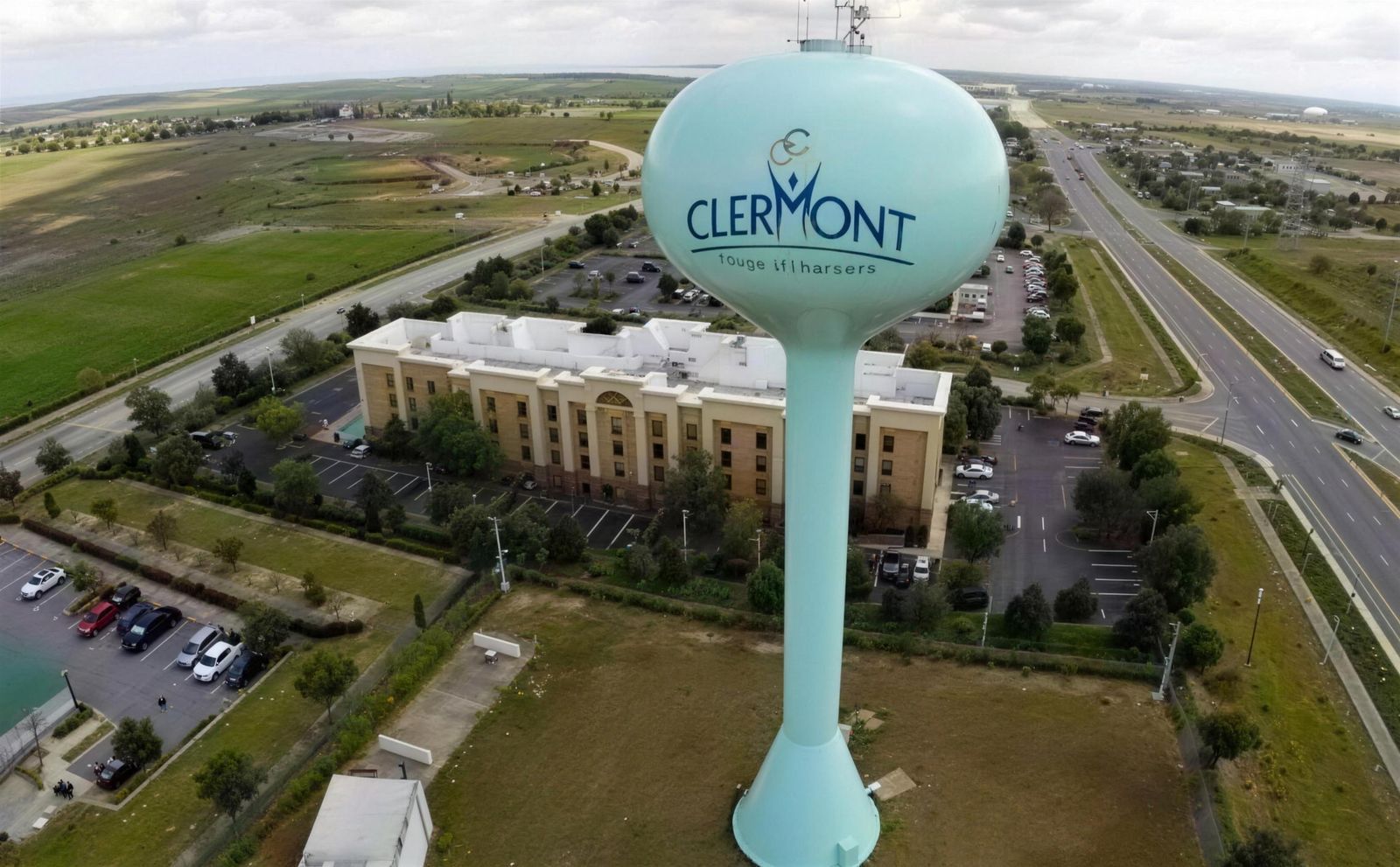
Aerial view of the Clermont FL water tower overlooking US-27 in Lake County, Florida
The Clermont water tower along US-27 — landmark of Lake County's fastest-growing city.

Short answer: Clermont is where Central Florida buyers go when they want more home for the money without leaving the Orlando metro. It sits about 22 miles west of downtown Orlando in Lake County's hill-and-lake country — yes, Florida has hills here — with a median sale price around $447,000, a walkable lakefront downtown, and some of the fastest population growth in the region. Below is what I tell my own buyers about living in Clermont in 2026: prices, neighborhoods, schools, the commute, and how it stacks up against Winter Garden next door.

$447K
Median Sale Price
April 2026, +0.3% year over year — essentially flat pricing
~48,000
Population
U.S. Census 2024 estimate — nearly tripled since 2000
1,196
Active Listings
Up ~19% year over year — real selection and leverage for buyers
22 mi
To Downtown Orlando
Via SR-50 or the Turnpike; SR-429 serves the attractions corridor
TLDR:
  • Clermont's median sale price is about $447K (April 2026) — essentially flat year over year, with inventory up ~19%, so buyers have selection and negotiating room.
  • It's the value play of the west Orlando metro: more square footage and bigger lots than Winter Garden, in exchange for a slightly longer commute.
  • The landscape is genuinely different — rolling hills, the Clermont Chain of Lakes, and a waterfront downtown with the South Lake Trail running through it.
  • Growth is the trade-off: one of Central Florida's fastest-growing cities means new construction everywhere and building traffic on US-27 and SR-50.
  • Lake County Schools serves the city; zoning shifts as new schools open, so verify the zoned schools for any specific address before you offer.

Where Is Clermont, and What Makes It Different?

Clermont anchors south Lake County, about 22 miles west of downtown Orlando along SR-50 and US-27. Unlike most of flat Central Florida, Clermont sits in genuine hill country — the area around Sugarloaf Mountain is among the highest terrain in peninsular Florida, which is why you'll see cyclists and triathletes training on these roads year-round. The city wraps around the Clermont Chain of Lakes, with Waterfront Park and the historic Citrus Tower as its landmarks.

According to the U.S. Census Bureau, Clermont's population is roughly 48,000 and has nearly tripled since 2000 — one of the fastest growth trajectories in Central Florida. That growth is the single most important thing to understand about living here: it brings new shopping, restaurants, and medical facilities every year, and it also brings construction and traffic.

Clermont Housing Market Snapshot (2026)

As of April 2026, the median sale price in Clermont is approximately $447,000, up just 0.3% year over year — flat pricing by any practical measure. Active inventory is up roughly 19% from a year ago at about 1,200 listings, and homes are taking longer to sell than they did during the boom years. That combination — flat prices, rising inventory, longer market times — is the same buyer-leaning pattern we're tracking across all four counties we serve, and it mirrors the broader trend in our Central Florida housing market hub.

For buyers, that means negotiating room. A meaningful share of Clermont listings have already taken at least one price cut — you can browse the current price-reduced homes in Lake County to see where sellers are adjusting. With mortgage rates still elevated by historical standards (track the current average via Freddie Mac's weekly Primary Mortgage Market Survey), sellers who price at 2022 levels sit; sellers who price to today's market move.

Rough price tiers as of mid-2026:

Segment Typical Range Notes
Condos & townhomes $200K – $350K Entry point; strongest fit for first-time buyers and downsizers
Established single-family $350K – $475K The heart of the market; 1990s–2010s communities
New construction $400K – $550K+ Heavy builder activity along the US-27 corridor
Lakefront & premium $500K – $1M+ Chain of Lakes access, Lake Louisa area, golf communities

Neighborhoods and Communities to Know

  • Kings Ridge — established 55+ golf community; one of the most affordable ways into Clermont, with most homes well under the city median.
  • Summit Greens — gated 55+ community with clubhouse amenities, close to shopping on SR-50.
  • Heritage Hills — Mediterranean-style 55+ community in the hills south of SR-50.
  • Lake Louisa corridor — south Clermont near Lake Louisa State Park; newer communities and some of the city's premium price points.
  • Downtown / Waterfront district — older character homes within walking distance of Waterfront Park, the South Lake Trail, and the farmers market.
  • US-27 new-construction corridor — the growth engine; multiple active builder communities heading south toward Four Corners.

Note for 55+ shoppers: Clermont has an unusually deep bench of active-adult communities for a city its size — it's worth comparing two or three before committing, because HOA fees and amenity packages vary widely.

Clermont vs. Winter Garden: The Honest Comparison

This is the question I hear most from west-side buyers. The two cities are 15 minutes apart but compete for the same families.

  Clermont (Lake County) Winter Garden (Orange County)
Price for equivalent home Lower — more square footage and lot for the budget Higher — you pay a premium for location
Downtown Lakefront, trail-connected, growing restaurant scene Plant Street — the benchmark downtown in the west metro
Commute to Orlando Longer; SR-50 or Turnpike Shorter; SR-429 direct
Landscape Hills, chain of lakes, state park Flatter, master-planned (Horizon West)
School district Lake County Schools Orange County Public Schools
Best fit Value, space, outdoor lifestyle, 55+ options Walkable downtown premium, shortest commute

My plain-English version: if the Plant Street lifestyle and a shorter commute are worth roughly a county-line price premium to you, Winter Garden wins. If you'd rather put that premium into the house itself — or into a lake view — Clermont wins.

Schools, Commute, and Day-to-Day Life

Schools: Clermont is served by Lake County Schools. Because the city is growing fast, attendance zones shift as new schools open — verify the current zoned schools for any specific address directly with the district before you write an offer. We do this as a standard step for every buyer we represent here.

Commute: Downtown Orlando runs 35–50 minutes in rush hour via SR-50 or the Turnpike. The Disney/attractions corridor is typically 25–35 minutes south on US-27. SR-429 access on the east side of the area has meaningfully improved trips to Winter Garden, the airport, and the parks.

Lifestyle: This is Clermont's quiet superpower. The South Lake Trail connects downtown to the West Orange Trail network, Waterfront Park hosts triathlons and the weekly farmers market, Lake Louisa State Park offers 4,500+ acres of trails and paddling, and the National Training Center draws amateur and professional athletes. If your weekends involve a bike, a paddleboard, or running shoes, very little in the Orlando metro competes.

Who Clermont Fits — and Who It Doesn't

Strong fit: families prioritizing space and budget; active adults (the 55+ inventory is deep and varied); outdoor enthusiasts; remote and hybrid workers who only fight the commute a few days a week; relocation buyers who want newer construction without Osceola-corridor congestion.

Weaker fit: daily downtown-Orlando commuters who hate driving; buyers who want a mature, fully built-out area — Clermont will be under construction for years; nightlife-first households.

Frequently Asked Questions

Is Clermont, FL a good place to live?

Yes — Clermont offers more home for the money than most of the Orlando metro, with rolling hills, a chain of lakes, a walkable waterfront, and a roughly 22-mile commute to downtown Orlando. The trade-off is growth: it is one of the fastest-growing cities in Central Florida, so traffic on US-27 and SR-50 is increasing as new communities build out.

What is the median home price in Clermont, FL?

As of April 2026, the median sale price in Clermont was approximately $447,000, roughly flat (+0.3%) year over year. Condos and townhomes sell well below that figure, while lakefront and golf-course communities run higher.

Is Clermont cheaper than Winter Garden?

Generally yes. Clermont sits in Lake County and typically offers a lower price per square foot and larger lots than neighboring Winter Garden in Orange County. Winter Garden buyers pay a premium for the Plant Street downtown district and a shorter commute to Orlando; Clermont buyers get more house, hills, and lake access for the same budget.

How far is Clermont from Orlando and the theme parks?

Clermont is about 22 miles west of downtown Orlando via SR-50 or the Florida Turnpike, and roughly 25-35 minutes to the Disney World area via US-27 south depending on traffic. The SR-429 expressway on the east side of the area shortens trips to Winter Garden, the airport corridor, and the attractions.

What school district serves Clermont, FL?

Clermont is served by Lake County Schools. School zoning varies by neighborhood and changes as new schools open in this fast-growing area, so verify the current zoned schools for any specific address directly with Lake County Schools before you buy.

Thinking About a Move to Clermont?

I'm Brenden Rendo, Realtor with The Homes In Orlando Team at NextHome Neighborhood Realty, and our team works Lake, Orange, Seminole, and Volusia counties every week — including the weekly price-reduction data that tells us exactly where Clermont sellers are negotiating. If you want a straight answer on what your budget actually buys here versus Winter Garden or anywhere else in the four-county area, call or text 407-616-9019 or reach out through homesinorlando.forsale.

Browse current price-reduced homes in Lake County to see where the deals are this week.

see where the deals are this week.

May 30, 2026

Orlando Home Insurance 2026: Citizens Rate Cut, 20 New Carriers & How to Lower Your Bill

If your homeowners insurance bill went up this year, you're not alone. According to a recent Pew Research Center survey, 71% of U.S. homeowners say their insurance costs have climbed over the past few years — and 42% say they've gone up "a lot." But here in Central Florida, I'm actually seeing something most of the country isn't: the start of real relief. Let me walk through both sides — the national trend, and the local news that means Orlando homeowners have more leverage than the headlines suggest.

71%
U.S. Homeowners Say Insurance Is Up
42% say it's gone up "a lot" (Pew Research, May 2026)
$3,303
Avg. Annual Premium Nationally
Up 24% ($648/yr) since 2021 (Consumer Federation of America)
−8.7%
Citizens Statewide Rate Cut for 2026
Homeowners multiperil −8.8%, effective July 1 (Citizens, OIR-approved)
17
New Carriers Entered Florida
Since 2022–23 reforms (FL Office of Insurance Regulation)
TLDR:
  • Nationally, premiums are up 24% since 2021 to an average $3,303/year — but Florida is bucking the trend.
  • Citizens' OIR-approved 2026 rates drop a statewide average of 8.7% (homeowners multiperil −8.8%, effective July 1), and 17 new carriers have entered the Florida market since the 2022–23 reforms.
  • An up-to-date wind mitigation report (renews every 5 years) is the single biggest discount lever for Florida homeowners.
  • Shop your policy every year, raise your deductible, bundle, and ask about mitigation discounts.
  • Never just drop coverage — raise the deductible or shop aggressively instead.

Why Premiums Climbed So Fast Nationally

The short version: insurers have been paying out a lot more in claims, and they pass that cost on. According to the Consumer Federation of America, the average annual home insurance premium has climbed 24% since 2021, reaching $3,303 — twice the rate of inflation over the same period. The typical homeowner now pays $648 more per year than they did four years ago, and premiums rose in 95% of U.S. ZIP codes between 2021 and 2024.

The main culprits are severe weather and rising rebuilding costs. More frequent storms, wildfires, floods, and hail mean more claims — and when those claims get paid, labor and materials cost far more than they did a few years ago. Insurers are recalibrating.

What's Different in Florida Right Now

For years, Florida was the poster child for unaffordable insurance — and plenty of the "moving to Florida" chatter online still claims you'll pay $20,000 a year or can't get covered at all. That's just not the reality on the ground anymore. Two things have shifted in our favor:

Citizens cut rates statewide. Citizens Property Insurance — the state-backed insurer a lot of Central Florida homeowners are still on — has OIR-approved 2026 rates that drop a statewide average of 8.7%, with homeowners multiperil policies down about 8.8% and every personal-lines policyholder getting at least a 2% cut. The new rates take effect July 1 for new policies and apply to existing ones at renewal. When I'm working with a buyer who's $20 over their monthly budget, a cut like that can be the difference that gets them into the home.

Seventeen new carriers entered the market. A couple of years ago there were barely any choices. Since the 2022–23 reforms, 17 new insurance carriers have entered Florida per the state Office of Insurance Regulation — driven partly by reform (including the changes around roof claims) and partly by a stretch of calmer storm seasons. More competition typically means lower rates and better coverage, and it gives you real options when it's time to shop.

What's Probably Driving Your Specific Bill

The national average tells you the trend, but your premium depends on factors specific to you and your home. The biggest ones insurers look at:

  • Where your home is located. Proximity to flood zones, storm-prone coastline, or a high-crime ZIP code pushes your rate up.
  • Your home's age and construction. Older roofs, wiring, and plumbing cost more to insure. Upgrades can sometimes lower your rate.
  • Your roof. In Florida, roof age and installation are a huge factor — which is exactly why the wind mitigation report below matters so much.
  • Your claims history. Filing claims, even small ones, can raise your renewal. Insurers also look at the property's claim history, not just yours.
  • Your credit score. In most states, including Florida, insurers can factor in credit. A strong score works in your favor.
  • Your coverage limits and deductible. Higher limits and lower deductibles both mean a higher premium.

6 Things Orlando Homeowners Can Do Right Now

1. Update your wind mitigation report.

This is the most overlooked discount in Florida — and often the biggest. A wind mitigation inspection documents your roof's age, how it was installed, and other storm-resistant features, and insurers use it to knock down your premium. The report is good for five years, and the inspection runs about $100 to $125. Here's a real example from this year: my own renewal came in around $3,200. I sent it to my agent at College Park Insurance, he found the same coverage through an A-rated carrier — contingent on a fresh wind mitigation inspection — and brought it down to roughly $2,100. That's about $1,000 saved for the cost of one inspection. If you haven't done yours in five years, call your agent today and ask whether you're still getting the wind mitigation discount.

2. Shop your policy every single year.

Loyalty doesn't get rewarded in this market. With 17 new carriers in Florida, there's more to shop than there's been in years. The whole process takes about five minutes on your end — scan your renewal notice, email it to a good independent agent, and let them do the legwork. That's literally what I did to find the $1,100 in savings above. Get a couple of competing quotes at renewal and don't assume your current carrier is still the best deal.

3. If you're on Citizens, confirm your rate cut.

With the statewide Citizens decrease rolling out, make sure your renewal actually reflects it — and use it as a prompt to compare against the newer private carriers, who may be able to beat it with better coverage.

4. Raise your deductible.

If you can comfortably cover a higher out-of-pocket cost on a claim, raising your deductible from $1,000 to $2,500 or even $5,000 can significantly lower your annual premium. Think of it as self-insuring the small losses and keeping coverage for the big ones.

5. Ask about mitigation and bundling discounts.

Beyond wind mitigation, many insurers discount for a new roof, storm shutters, an updated electrical panel, a monitored security system, or a whole-home generator. Bundling home and auto under one carrier usually adds a discount too. These aren't always advertised — call and ask specifically.

6. Review your coverage limits.

If your home's value has shifted, your limits may be out of sync. You don't want to be underinsured in a major loss — but you also don't want to pay to insure a higher rebuild cost than your home requires. And don't set it and forget it: every year or two, check whether anything changed (an addition, a new boat, a renovation) so your coverage still fits.

A Note on Dropping Coverage

When the bill goes up, the temptation to drop or gut your policy is real. According to CNBC, more than one in four homeowners say they'd drop coverage if they could. That's understandable — but it's one of the riskiest moves a homeowner can make.

A single storm, fire, or burst pipe can cost tens of thousands out of pocket. If you have a mortgage, your lender almost certainly requires coverage — and if you let it lapse, they'll add "force-placed insurance," which is typically far more expensive and far less comprehensive than a policy you'd choose yourself. If the cost is genuinely unmanageable, the better path is to update your wind mitigation, raise your deductible, trim optional riders, and shop aggressively. Dropping coverage entirely only defers a much bigger potential cost.

You Have More Leverage Than You Think

The national picture is frustrating, but Central Florida homeowners are in a better spot than most of the country right now — rates are softening, carriers are competing, and the wind mitigation discount is sitting there waiting to be claimed. Pick one thing from this list and act on it before your next renewal. Even shopping your rate once a year puts you ahead of most homeowners.

Whether you're buying, selling, or just trying to make your current home more affordable to own, the cost of insurance is part of the bigger picture across Orange, Seminole, Volusia, and Lake counties. If you'd like a referral to a trusted local insurance agent — or you're thinking about your next move in the Central Florida market — I'm happy to help.

Have questions about buying or selling in Orlando, or want a local insurance referral? Reach out to Brenden Rendo and The Homes In Orlando Team at 407-616-9019 or visit homesinorlando.forsale.

May 28, 2026

Orlando Real Estate Week of May 28, 2026: Hometown Heroes Returns, Citizens Cuts Rates, Pending Sales +5.7%

If you've been waiting on the sidelines because of the down payment or the insurance bill, this is the week the news started moving in your favor. Three big positive stories landed at the same time, and they stack on top of each other: Tallahassee funded the down payment help buyers have been asking for, Citizens Property Insurance is recommending its first rate cut in eleven years, and Orlando just posted the cleanest balance signal we've seen in a year.

$50M
New Hometown Heroes Funding
Included in the $115B FL budget heading for a Friday vote (May 2026)
2.6%
Citizens Statewide Rate Cut
First rate decrease recommendation since 2015; ~$359/yr savings for 60% of policyholders
+5.7%
Orlando New Pending Sales YoY
April Orlando MSA single-family — buyers are signing again
6.47%
30-Yr Fixed Mortgage Rate
Down from 6.6% two weeks ago — softening as the budget and insurance news lands
TLDR:
  • Down payment help is being refunded. The Florida budget heading for a Friday vote includes $50M in fresh Hometown Heroes funding, plus full SHIP ($165.7M) and SAIL ($70.8M) funding, and $405M+ for My Safe Florida Home and Condo programs.
  • Insurance is finally a positive talking point. Citizens Property Insurance is recommending a 2.6% statewide rate decrease — the first cut since 2015. Twenty new insurers have entered Florida since the 2022 reforms with over $850M in new capital.
  • Orlando is balanced and demand is back. April new pending sales jumped +5.7% YoY across the Orlando MSA. Active inventory tightened 4.4%. Median price held essentially flat at $440K.
  • Mortgage rates are softening. 30-year fixed sits at ~6.47%, down from 6.6% two weeks ago. 15-year fixed at 5.85% is a strong tool for move-up sellers using equity.
  • Three actions this week: Buyers — call your lender about Hometown Heroes eligibility. Sellers — re-shop your homeowner's insurance. Both — if you've been waiting for things to settle, they just did.

Florida Just Funded the Help Buyers Have Been Asking For

House and Senate leaders agreed late Sunday on a $115 billion state budget. The final vote is Friday, then it goes to Governor DeSantis. For our buyers and sellers, three line items matter most:

  • $50 million in additional funding for the Hometown Heroes Housing Program — down payment and closing cost help for eligible Florida workers including teachers, nurses, first responders, hospitality workers, and many more.
  • $165.7 million in full funding for SHIP (State Housing Initiatives Partnership), which flows to counties and cities to help working families buy and rehab homes.
  • $70.8 million in full funding for SAIL (State Apartment Incentive Loan) — workforce rental development.

On top of that, over $405 million in unused funds is being reappropriated to My Safe Florida Home and the new My Safe Florida Condominium program — money homeowners can use to harden roofs, windows, and openings, which often lowers the insurance premium.

Why this matters for Orlando specifically

Hometown Heroes has been one of the most-used down payment programs in Florida — Orlando-area Realtors saw a huge volume of these loans in 2024–2025 before the money ran out. Refunding it means buyers who got priced out in March or April can come back to the table this summer with up to 5% of the loan amount (capped) for down payment and closing costs.

Pair this with the Citizens insurance news in the next section and we are looking at the best affordability cocktail in two years.

What to do this week

  • If you qualify as a "Hometown Hero" — and the eligibility list goes well beyond first responders — call your lender now and ask them to flag your file for the new tranche of funds.
  • If you own a home that needs roof, window, or door upgrades, get on the My Safe Florida Home inspection list early. These slots filled up fast last year.

Source: Florida Realtors — "Florida budget heads to vote with housing funds included" (May 26, 2026).

Insurance: The Story That Finally Turned the Corner

Citizens Property Insurance is recommending a 2.6% statewide average rate decrease for 2026. This is the first cut since 2015. Read that again — first cut in eleven years.

Three out of five Citizens policyholders will see an average 11.5% reduction, roughly $359 back in their pocket per year.

And it gets better

  • Citizens' policy count has dropped 76% from peak down to about 336,000 policies — policies are migrating back to the private market, which is exactly what we've been waiting for.
  • Florida's Office of Insurance Regulation just confirmed three more property and casualty insurers entered the market this week, bringing the total since the 2022 reforms to 20 new entrants and over $850 million in new capital.
  • The new entrants: Builder Reciprocal Insurance Exchange, Frontline Insurance Reciprocal Exchange, and Wingsail Insurance Company.
  • More insurers are also writing condo association wind-only policies in coastal counties — Miami-Dade, Broward, Palm Beach — which matters for coastal investor clients.

Why this is the talking point of the year

For a decade, "Florida insurance" was the conversation killer at every listing appointment. That conversation is now actually a positive. Lead with this number with nervous out-of-state buyers: the regulator is recommending the first rate cut in eleven years, and twenty new companies have entered the market since 2022.

Tactical note for buyers under contract

Have your insurance agent quote both renewal and a fresh shop — rates are moving fast and the best deal isn't always with your current carrier anymore.

Sources: Citizens Property Insurance 2026 Rate FilingGovernor DeSantis insurance press release.

The Orlando Market Pulse

April Orlando MSA snapshot (single-family)

Orlando-Kissimmee-Sanford MSA, from Florida Realtors / Stellar MLS:

Metric April 2026 YoY Change
Closed sales 2,534 -3.1%
Median sale price $440,000 -0.7% (essentially flat)
Active inventory 9,652 -4.4% (tightening, not flooding)
Dollar volume $1.4 billion
New listings 3,688 -5.2% (measured, not panicked)
New pending sales 3,001 +5.7% (the headline number)

The picture in one sentence: Inventory is shrinking, pending sales are up almost 6%, and prices are holding within a percent of last year. That is the definition of a healthy, balanced market — not a falling one.

Latest weekly ORRA pulse (May 17–23, single-family)

  • 388 single-family closings across the ORRA reporting region in one week.
  • 3,744 new pending sales — buyers are clearly active.
  • 625 new listings added.

Median single-family prices by county:

County Median Price
Seminole $522,500
Orange $506,800
Lake $397,000
Volusia $339,500

Days on market range from 62 days in Seminole up to the high 80s in outer counties — the fastest-moving counties are closest to the urban core, which is the pattern we'd expect in a balancing market.

Condo and townhouse pulse (May 17–23)

  • 119 condo closings for the week, 927 new pending sales, 211 new listings.
  • Median condo prices: Volusia $342K, Lake $330K, Orange $300.9K, Seminole $230.5K.
  • Statewide context: Florida condo sales jumped +7% YoY in April and pending condo contracts were up ~15% — a real shift after the post-Surfside slowdown.

Mortgage rate check

  • 30-year fixed today: ~6.47% (Mortgage News Daily) — down from 6.6% two weeks ago.
  • 15-year fixed: 5.85% — strong tool for buyers with cash or move-up sellers using equity.
  • Bottom line: rates are softening just as the budget and insurance news hits. That is a window.

Source: Orlando Regional REALTOR® Association Market Reports.

Zoom Out: Florida and National Quick Hits

  • Florida just logged eight consecutive months of rising sales. Single-family closings statewide were +2.4% YoY in April; condo and townhouse +7%.
  • Toll Brothers, on its earnings call last week, specifically called out "green shoots in Florida." When publicly-traded builders are bullish on Florida again, that is worth noting.
  • Nationally, Redfin's April median sale price hit $396,173 (+2.4% YoY) — the biggest annual gain in 13 months. The "crash" narrative the national media has been running is not showing up in the actual numbers.
  • Honest caveat: April CPI came in at +3.8% (mostly energy driven), so the Fed is unlikely to cut at the June 16–17 meeting. The good news is mortgage rates are already moving down without waiting on the Fed.

Source: Florida Realtors — April 2026 statewide sales report.

What's Getting Built in Our Backyard

Three Orlando development stories worth knowing for buyers and investors:

  • Creative Village Phase 2 — about $100 million in active vertical construction right now (Parcel H / "The Beacon"). The full Phase 2 plan delivers 450 market-rate apartments, 106 mixed-income units, and 600 student beds through 2029. Downtown Orlando is still building.
  • Former Orlando Sentinel site20 acres downtown moving forward as a $2 billion mixed-use redevelopment with Heatherwick Studio as design lead. This is going to redefine the north end of Downtown.
  • Accelerate Orlando — the City of Orlando has committed $44 million to affordable housing and homeless initiatives. Real money behind a real plan.
  • Wellness Way corridor near Clermont — infrastructure investments there are about to unlock the next wave of Southwest Orlando growth: Windermere → Dr. Phillips → Winter Garden → Horizon West → Clermont.

Three Things to Do This Week

  1. Buyers: Call your lender and ask whether you qualify for Hometown Heroes assistance. Get your file flagged for the new tranche before the program saturates again.
  2. Sellers: Re-shop your homeowner's insurance. There are real savings on the table right now, and your current carrier may not be the cheapest after the Citizens cut and the 20 new market entrants.
  3. Both: If you've been "waiting for things to settle," they just did. Down payment help is up, the insurance bill is coming down, and demand is returning. Let's talk.

If you're house-hunting price-reduced inventory across our coverage area, the county landing pages are the fastest way to browse: Orange County, Seminole County, Volusia County, and Lake County.

Ready to make a move? Reach Brenden Rendo directly at (407) 616-9019 or brenden@homesinorlando.forsale, or visit HomesInOrlando.ForSale to start your search. New episodes of the Orlando Real Estate Buzz drop every Thursday.

May 24, 2026

Central Florida Price Reductions: 1,274 Homes With Price Cuts This Week


This week's numbers: 1,274 homes with active price reductions across Orange, Seminole, Volusia, and Lake counties, averaging 3.19% off list -- that is where the negotiation room is. Supporting context: 52.4% of those listings have been on the market 60+ days.

1. This Week's Price Reduction Snapshot

Every week, we pull fresh data from the Stellar MLS to track price reductions across four Central Florida counties. Here is where things stand as of May 24, 2026:

Orange County

534 price reductions

Average reduction: 3.13%

50.0% listed 60+ days

Browse Orange County

Seminole County

164 price reductions

Average reduction: 3.22%

47.0% listed 60+ days

Browse Seminole County

Volusia County

315 price reductions

Average reduction: 3.22%

56.8% listed 60+ days

Browse Volusia County

Lake County

261 price reductions

Average reduction: 3.17%

55.9% listed 60+ days

Browse Lake County

52.4% of all price-reduced listings have been on the market 60 days or longer. That is the number that matters most for buyers -- it signals sellers who are ready to negotiate on more than just price. Closing cost assistance, rate buydowns, and repair credits are all on the table when DOM climbs past 60.

2. What This Means for Buyers

Leverage is real right now. With 1,274 motivated sellers adjusting prices across four counties, buyers are not competing against the frenzy that defined 2021 and 2022. The data shows room to negotiate -- particularly on listings that have crossed the 60-day mark.

If you are pre-approved, this is the environment where a well-structured offer on a price-reduced listing can land below asking with concessions attached.

3. What This Means for Sellers

Price is a positioning decision, not a concession. The sellers who are closing right now are the ones who adjusted early and strategically. A price reduction does not mean desperation -- it means your listing re-enters buyer search alerts, gets fresh algorithmic exposure, and competes where actual demand exists.

If your listing has been sitting 45+ days without meaningful showing activity, the market is giving you a signal. We can help you read it.

4. What This Means for Investors

Price-reduced listings are where the math works. When a seller has already cut the price, your acquisition cost drops -- and with 52.4% of listings past 60 days, there is room to negotiate further. That improves your cap rate, your cash-on-cash return, and your exit strategy flexibility.

Whether you are looking at buy-and-hold rentals or fix-and-flip candidates, this week's data across 4 counties gives you a clear map of where motivated sellers are concentrated.

Frequently Asked Questions

How many price-reduced homes are available in Central Florida this week?

As of May 24, 2026, there are 1,274 homes with active price reductions across Orange, Seminole, Volusia, and Lake counties, averaging 3.19% off original list prices.

What does a price reduction mean for buyers?

A price reduction signals a motivated seller. Beyond the lower price itself, it often means faster closing timelines, openness to seller concessions, and more room to negotiate repairs or rate buydowns.

How often is this data updated?

We refresh our price reduction data weekly using direct Stellar MLS exports. New reductions are added each Sunday and sold properties are removed within 24 hours of closing.

Which county has the most price reductions right now?

Orange County currently leads with 534 active price reductions, averaging 3.13% off list prices.

Find Your Next Price-Reduced Home

Brenden Rendo and The Homes In Orlando Team track every price cut across Central Florida weekly. Whether you are buying, selling, or investing -- the data tells the story.

407-616-9019

Send Us a Message | Search Homes